
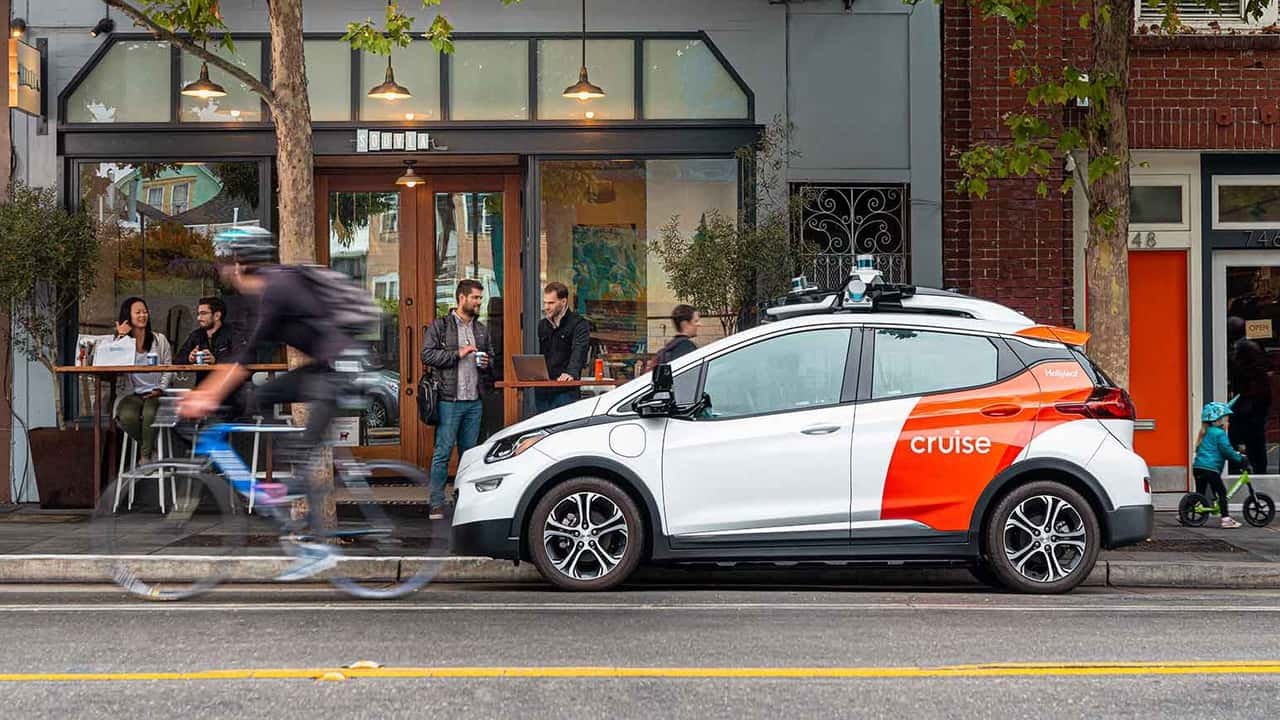
General Motors (GM) has decided to halt its ambitious Cruise robotaxi program, shifting focus instead to driver-assistance features. The announcement has sparked discussions across the automotive and tech industries, as GM pivots away from the competitive and resource-intensive autonomous vehicle market. Let’s dive into the details of this major decision and what it means for the future of self-driving technology.
Why GM Is Exiting the Robotaxi Market
GM’s decision to step back from Cruise robotaxis wasn’t made lightly. According to the company, the move is largely driven by the “considerable time and resources” required to scale such a business. Competing in the robotaxi space, which already includes heavyweights like Google’s Waymo and Tesla, would demand over $10 billion in investments—a staggering figure, even for a giant like GM.
The company’s CEO, Mary Barra, stated, “The robotaxi service is not part of our core business.” Instead, GM is channeling its resources toward refining driver-assist technologies, which align more closely with their current product offerings.
What Is GM Focusing on Instead?
While Cruise robotaxis are being phased out, GM isn’t abandoning autonomous driving altogether. The automaker plans to integrate Cruise’s self-driving expertise into its advanced driver-assistance systems (ADAS). These systems, such as Super Cruise, provide hands-off yet eyes-on driving experiences. Already available in more than 20 GM models, Super Cruise allows drivers to enjoy semi-autonomous driving on approved roads, with the driver ready to take control if needed.
This shift will reportedly save GM a whopping $1 billion annually, giving it more financial bandwidth to innovate in areas that directly benefit its car-buying customers.
The Competitive Landscape: Why the Change?
The robotaxi market is becoming increasingly crowded and competitive. Companies like Google’s Waymo and Tesla are making significant strides. Tesla, for instance, has announced plans to develop fully driverless vehicles without steering wheels or brakes. They’re also working on a robotaxi service that allows Tesla owners to rent out their cars when not in use.
With such formidable competition, GM decided it made more sense to focus on enhancing driver-assist technologies rather than vying for dominance in the robotaxi space.
The Role of Cruise in GM’s Vision
For years, Cruise was seen as a trailblazer in autonomous vehicle innovation. However, its trajectory has not been without challenges. One significant setback occurred in October 2023, when a Cruise robotaxi in San Francisco struck a pedestrian who had already been hit by another car. The vehicle dragged the woman for 20 feet, prompting California authorities to suspend Cruise’s operations statewide. This incident led GM to halt Cruise’s services nationwide.
Adding to the controversy, Cruise faced a $500,000 fine for submitting a false report to the National Highway Traffic Safety Administration (NHTSA) about the accident. While GM has defended the potential of autonomous vehicles to improve road safety, this incident highlights the complexities of deploying such technology in real-world scenarios.
Is GM Giving Up on Autonomous Vehicles?
Not at all. GM’s pivot is more of a strategic redirection than a retreat. The company remains committed to autonomous driving but aims to leverage its technology in ways that align better with its overall goals. GM’s vision of “zero crashes, zero emissions, and zero congestion” is still intact, but the focus is now on incremental advancements rather than moonshot projects like robotaxis.
By combining Cruise’s innovations with its existing driver-assist programs, GM hopes to deliver features that enhance safety, improve traffic flow, and reduce driver stress.
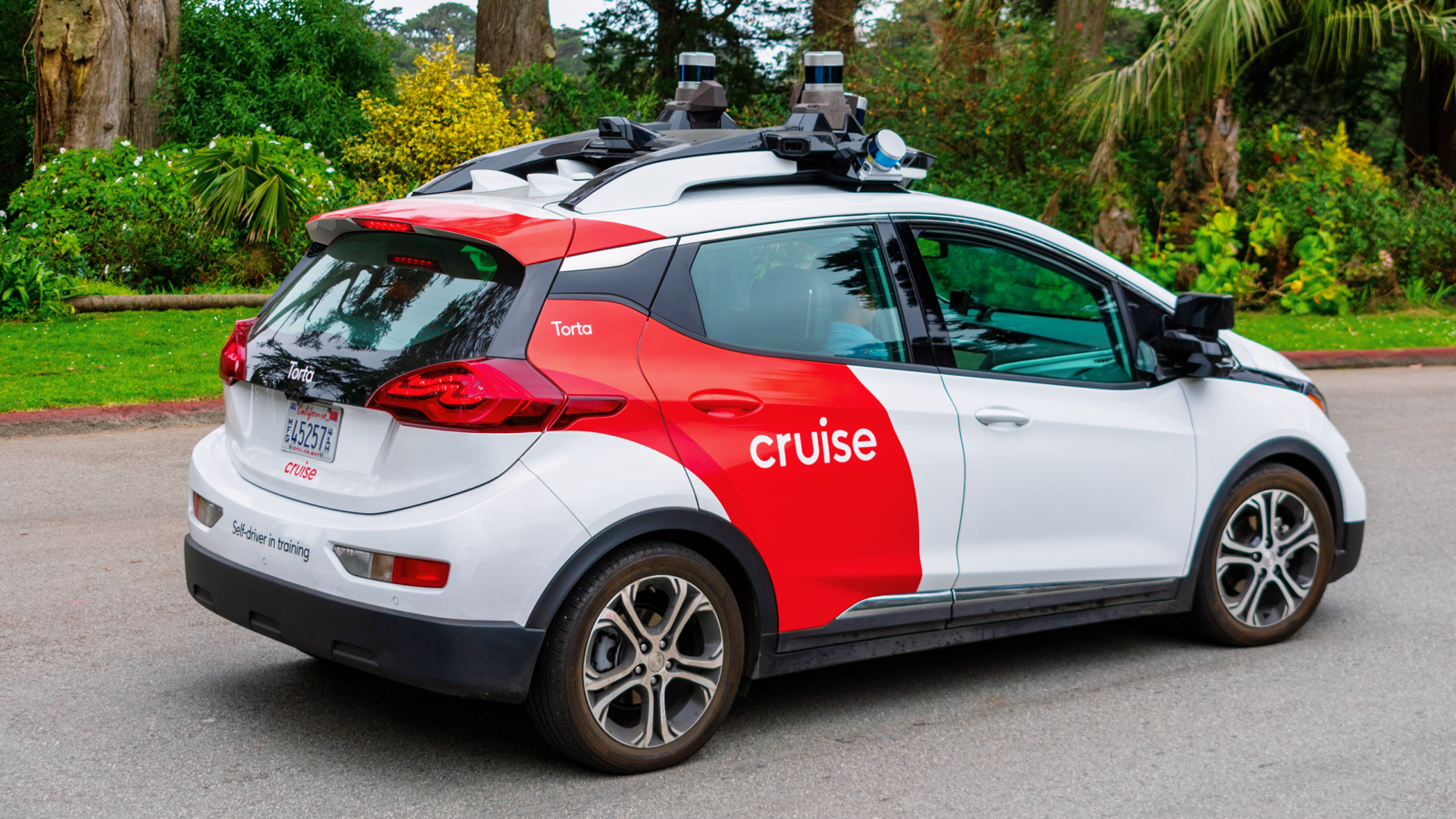
Cruise’s New Role in GM’s Ecosystem
Many of the engineers and developers from Cruise are being reassigned to work on ADAS technologies for GM’s consumer vehicles. This includes enhancing systems like:
Super Cruise: A semi-autonomous driving system allowing hands-off operation on specific highways.
Ultra Cruise (in development): Promises even more advanced features for future GM vehicles.
This reallocation of talent ensures that Cruise’s expertise won’t go to waste but will instead help accelerate innovations in driver-assistance technologies.
Challenges in the Robotaxi Market
The robotaxi industry isn’t just competitive—it’s fraught with challenges. From regulatory hurdles to high development costs and public skepticism, the road to widespread adoption is anything but smooth.
Moreover, the cost of developing a fleet of autonomous taxis is astronomical. For GM, these challenges outweighed the potential benefits, leading to their decision to refocus their efforts.
What’s Next for GM?
With the robotaxi chapter closed, GM is turning its attention to the technologies that its customers use every day. By prioritizing driver-assistance features, GM can:
Enhance customer satisfaction.
Stay competitive in the consumer vehicle market.
Save resources for future innovations.
This strategy aligns with GM’s broader goals while positioning the company as a leader in ADAS technologies.
Read More: New-Gen Honda Astound: A Total Audit of the Upgraded Sedan
Conclusion
While GM’s decision to pull the plug on its Cruise robotaxi program marks a significant shift, it’s not the end of the road for autonomous driving at the company. Instead, GM is charting a more pragmatic course, focusing on features that benefit everyday drivers while still leveraging the technological breakthroughs from Cruise.
In a rapidly evolving automotive landscape, this move underscores the importance of adaptability and staying true to one’s core business. For GM, the future of transportation is still autonomous—just in a way that’s more grounded and customer-focused.