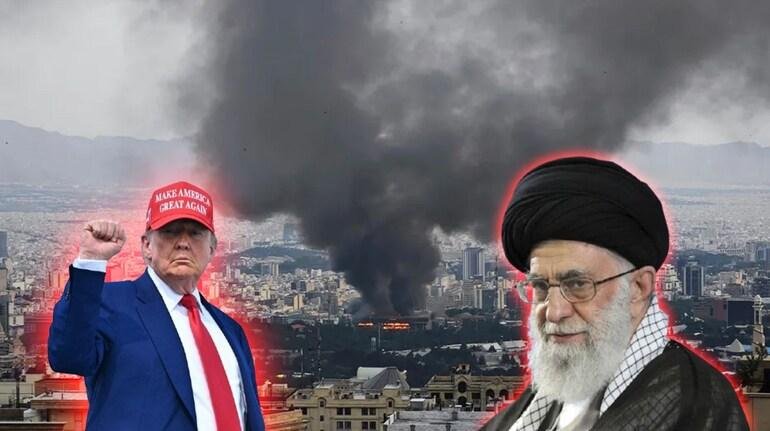
Let’s talk straight—when global tensions rise, words matter. And when it comes to Trump Iran statements, those words didn’t just echo… they shook the world.
Whether it was a tweet, a press conference, or an off-the-cuff remark, Donald Trump had a way of turning geopolitical tension into headline news overnight. But here’s the real question: were his statements strategic moves—or sparks that nearly ignited a war?
In this deep dive, we’ll break down his rhetoric, decode his strategy, and understand how his words influenced the fragile relationship between the United States and Iran.
Understanding the Roots of US–Iran Conflict
Before we zoom in on Trump Iran statements, we need context.
The US–Iran relationship has been rocky for decades:
- The 1979 Iranian Revolution changed everything
- Sanctions became a regular tool
- Nuclear ambitions raised global concerns
By the time Trump entered office, tensions weren’t new—they were just waiting to explode.
Trump’s Maximum Pressure Strategy: More Than Just Words
One of the biggest themes in Trump Iran statements was his “maximum pressure” policy.
Sounds intense, right? That’s because it was.
This strategy included:
- Heavy economic sanctions
- Cutting Iran off from global markets
- Strong military warnings
Trump’s idea was simple: squeeze Iran hard enough, and they’ll come back to negotiate.
But did pressure lead to peace—or push things closer to war?
“Locked and Loaded”: When Words Sound Like Weapons
Let’s not forget one of the most famous Trump Iran statements:
“We are locked and loaded.”
That phrase alone sent shockwaves across the globe.
It wasn’t diplomatic—it was direct, powerful, and honestly, a bit intimidating. Trump’s language often felt like a warning wrapped in confidence.
Think of it like a storm warning—you don’t know when it’ll hit, but you know it could.
Twitter Diplomacy: Trump’s Unfiltered Communication Style
Here’s where things get interesting.
Trump didn’t rely only on official channels. Instead, many Trump Iran statements came through Twitter (now X).
And they were:
- Immediate
- Unfiltered
- Highly impactful
He warned Iran of “obliteration,” criticized leaders, and responded to threats in real time.
This wasn’t traditional diplomacy—it was diplomacy in fast-forward.
The Soleimani Strike: A Defining Moment in US–Iran Tensions
In 2020, things escalated dramatically.
The US carried out a drone strike that killed Iranian General Qasem Soleimani. Trump defended the move strongly, making several key Trump Iran statements:
- The strike prevented future attacks
- The US would respond to any retaliation
- America was acting in self-defense
This moment pushed both nations dangerously close to war.
“The End of Iran”: Strong Words, Global Reactions
At one point, Trump said:
“If Iran wants to fight, that will be the official end of Iran.”
That’s not just tough talk—that’s explosive rhetoric.
Statements like these:
- Raised fears of full-scale war
- Triggered responses from Iran
- Put global leaders on edge
So ask yourself—was this strategy or escalation?
Sanctions Talk: Economic Warfare in Trump Iran Statements
Trump repeatedly emphasized sanctions in his messaging.
He described them as:
- “The strongest ever”
- A peaceful alternative to war
- A tool to force compliance
Imagine tightening a financial grip slowly but firmly—that’s how sanctions work.
And Trump made sure the world knew he was using them.
The Nuclear Deal Exit: A Turning Point
Another major theme in Trump Iran statements was his criticism of the Iran nuclear deal.
He called it:
- “The worst deal ever”
- Weak and ineffective
By pulling out, he:
- Reimposed sanctions
- Increased tensions
- Divided international allies
This move alone reshaped US–Iran relations.
The Psychology Behind Trump Iran Statements
Let’s break it down.
Trump’s communication style wasn’t random—it followed a pattern:
- Make a bold statement
- Create pressure
- Force a reaction
It’s like negotiating from a position of strength—but louder.
His words were designed to:
- Dominate headlines
- Control narratives
- Keep opponents guessing
Global Reactions to Trump Iran Statements
The world didn’t stay silent.
Different reactions included:
- Europe urging calm
- Middle Eastern nations staying alert
- Markets reacting instantly
Some leaders saw strength.
Others saw unpredictability.
Either way—everyone paid attention.
Media Amplification: Turning Statements Into Global Events
Every time Trump spoke about Iran, the media amplified it.
Why?
Because Trump Iran statements were:
- Dramatic
- Newsworthy
- Highly clickable
It created a cycle:
Statement → Coverage → Reaction → More statements
And the tension kept building.
Did Trump Prevent War or Provoke It?
Here’s the big debate.
Supporters say:
- His strong stance prevented escalation
- Iran was deterred
- America showed power
Critics argue:
- His rhetoric increased risks
- Diplomacy was weakened
- War came dangerously close
So what’s the truth?
Honestly—it depends on perspective.
Key Lessons From Trump Iran Statements
There’s a lot we can learn here:
- Words can act like weapons
- Messaging shapes global perception
- Strong rhetoric is a double-edged sword
Trump’s approach was bold—but not without consequences.
Conclusion: The Lasting Impact of Trump Iran Statements
At the end of the day, Trump Iran statements weren’t just political commentary—they were strategic signals that influenced global stability.
He changed how leaders communicate during crises, blending politics with real-time media in a way we’ve never seen before.
And whether you agree with him or not—his words left a lasting mark on international relations.
Final Thoughts: When Words Walk the Line of War
Here’s something to think about:
In global politics, words don’t just describe reality—they shape it.
Trump’s rhetoric walked a fine line between strength and escalation.
And sometimes, that line is thinner than we realize.